







Search Results for: Japanese Monopoly
Why Are Most Jamaican Blue Mountain Coffees in China Counterfeits? The Truth Behind Japan's Former 90% Monopoly on Production
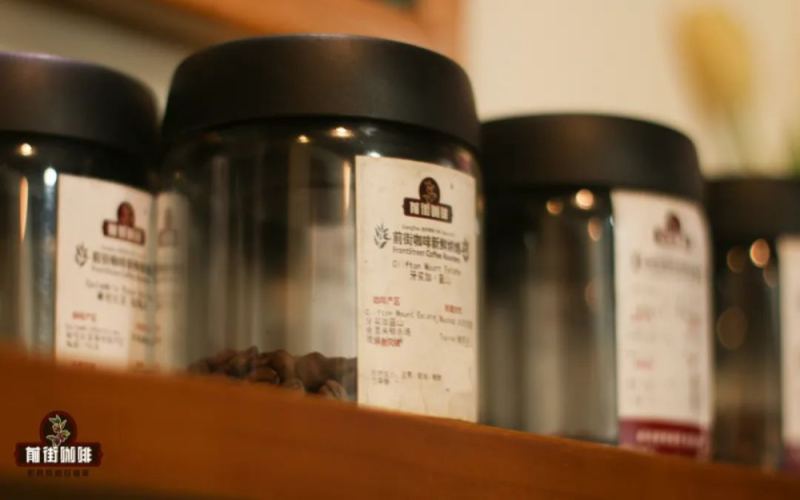
Blue Mountain coffee is hailed as the "emperor" of the coffee world, but most domestic consumers actually drink "Blue Mountain flavor" blended beans. Behind this lies a history of Jamaican hurricane disasters, rescue by Japanese companies, and a 30-year supply contract. Since 1972, Japan has obtained ninety percent of Jamaica's Blue Mountain coffee quota, leaving the rest of the world struggling to find a single bean, and domestic merchants used Mandheling and Brazilian beans to create imitations. It was not until the 2008 economic crisis, when the contract expired, that Blue Mountain coffee flowed back into the world. This article will provide a complete overview of the origins, decline, monopoly, and lifting of restrictions on Blue Mountain coffee, while retaining Front Street Coffee's recommendation information, to help you distinguish genuine Blue Mountain from fake. [more…]
Why is Jamaican Blue Mountain coffee so expensive? From the terroir of its origin and grading system to the historical origins of Japanese market quotas
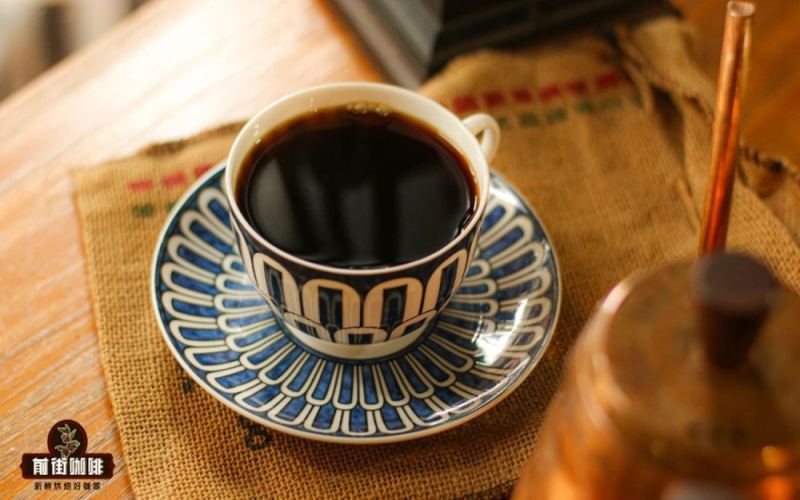
Blue Mountain coffee has long been known as the "Emperor of Coffee," but its high price is not sustained by legend alone. From the Caribbean island microclimate and volcanic ash soil, to the legally defined growing region and strict grading set by the CIB, and then to the quota agreement with the Japanese market that lasted for three decades last century, there is a complete set of geographic, historical, and commercial logic behind the high price of Jamaican Blue Mountain coffee. From the perspective of Front Street Coffee, this article sorts out what truly makes Blue Mountain No. 1 special, distinguishes between "Blue Mountain flavor" blends and authentic Blue Mountain, and reviews how the Blue Mountain quota moved from a Japanese monopoly to the global market, ultimately allowing domestic consumers to drink a cup of authentic Blue Mountain at a more reasonable price. [more…]

Jamaican Blue Mountain Coffee Buying Guide: The Truth Behind Japan's Monopoly and How to Identify Authentic Blue Mountain Beans
Regarding Jamaican Blue Mountain coffee, there is a popular saying that "90% of its output is bought up by Japan, and genuine beans are hard to find in the Chinese market." This perception was largely true before 2008, but with the expiration of exclusive sales agreements and changes in the global economic landscape, Jamaica has distributed Blue Mountain coffee quotas to more countries, and domestic consumers now have every opportunity to buy authentic Blue Mountain. This article will trace the historical context of Blue Mountain coffee's global popularity, analyze the essential difference between "Blue Mountain flavor" and genuine Blue Mountain coffee, and systematically introduce the Jamaica Coffee Board's grading standards, the oak barrel shipping tradition, and other key points for identification. At the same time, using Front Street Blue Mountain No. 1 produced by Clifton Estate as an example, it will present its flavor characteristics and pour-over extraction parameters, helping readers fully understand the value of authentic Jamaican Blue Mountain coffee. [more…]
Jamaica Blue Mountain Coffee Buying Guide: Authentic Flavor, Grade Classification, and the Current State of Japanese Market Monopoly
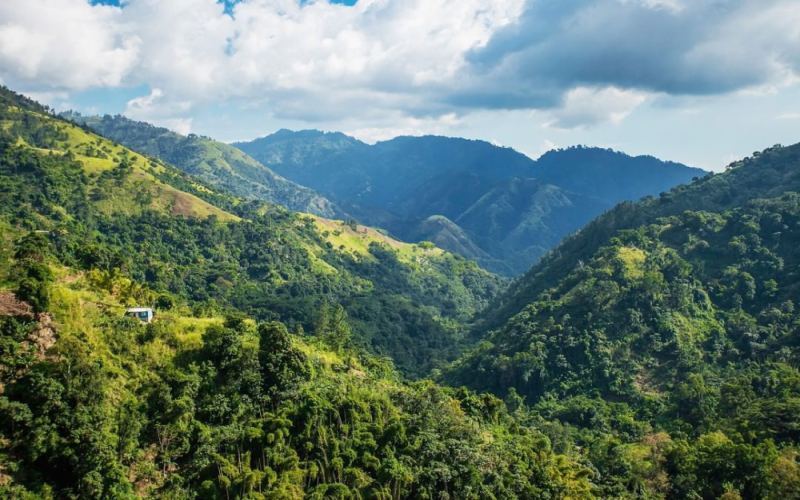
Blue Mountain coffee originates from the Blue Mountains in eastern Jamaica. Thanks to its volcanic soil, foggy climate, and high-altitude environment, it has become one of the world's recognized top-tier coffees. However, the true annual output of Jamaican Blue Mountain coffee is only about 40,000 bags, ninety percent of which is purchased by Japan, leaving other countries to compete for the remaining share. This article systematically reviews the historical origins of Blue Mountain coffee, its three major production regions, grade classification, harvesting and processing standards, barrel packaging tradition, and roasting and brewing parameters. It also analyzes the current situation of the large number of counterfeit products on the market, and includes the specific plan for brewing Blue Mountain No. 1 at Front Street Café, helping coffee lovers gain a comprehensive understanding of this legendary coffee. [more…]
A Comprehensive Analysis of Jamaican Blue Mountain Coffee Grades, Flavor Characteristics, and Market Prices
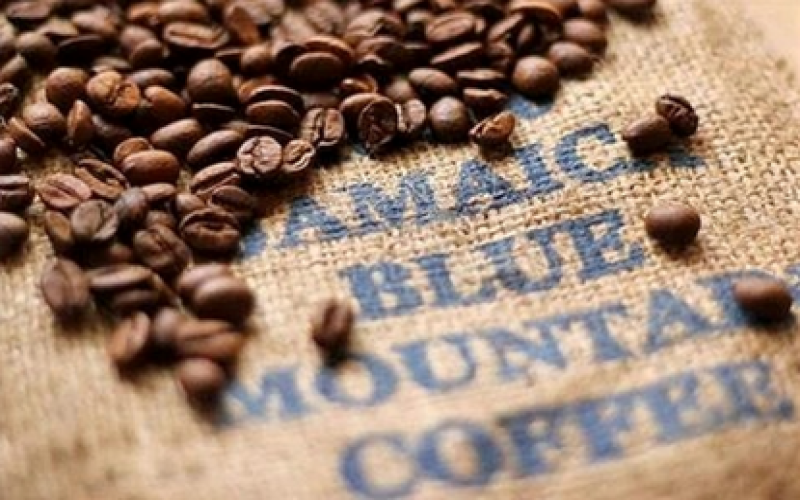
Blue Mountain coffee, as a legendary presence in the specialty coffee world, has long been shrouded in mystery. Various claims circulate about its price, authenticity, grading, and flavor profile. From the perspective of Front Street Coffee, this article systematically sorts out the pricing logic of Blue Mountain coffee, the truth behind the rumors of Japanese monopoly, the ins and outs of legitimate imports in China, as well as the grading system and flavor characteristics of Blue Mountain coffee. At the same time, Front Street Coffee will share the cupping performance and pour-over parameters of Blue Mountain No. 1, helping coffee enthusiasts gain a comprehensive understanding of the true face of this classic coffee, so that whether buying or brewing, they can find practical reference information. [more…]
An Analysis of the Characteristics of Jamaica Blue Mountain Coffee Producing Regions: Flavor Differences Between Clifton and Silver Hill Estates and Current Market Conditions
Jamaican Blue Mountain coffee is hailed as one of the coffees grown under the most favorable conditions in the world, yet its production area is limited, and true Blue Mountain coffee comes only from a specific region. This article will guide you through the history and evolution of Blue Mountain coffee, the terroir characteristics of the Portland and St. Thomas production areas, the differences between Clifton and Silver Hill estates, and the current monopoly of the Japanese market on Blue Mountain coffee. At the same time, Front Street Coffee has carefully selected authentic Blue Mountain flavor for you, so you can experience the unique charm of the Caribbean highlands. [more…]
A Guide to Authenticating Jamaican Blue Mountain Coffee: Origins, Grades, Pricing Insights, and Characteristics of the Genuine Article
Blue Mountain coffee is hailed as the pinnacle of the coffee world, but the market is full of imitations and it is hard to tell genuine from fake. What exactly is authentic Jamaican Blue Mountain coffee? Why does it sell for such a high price? And what is the truth behind the rumors of a Japanese monopoly? Starting from the growing environment, official definition standards, and historical price factors of Blue Mountain coffee, this article systematically sorts out the aroma, flavor characteristics, certificates, and packaging marks of genuine Blue Mountain coffee. Combined with specific product information on Front Street Blue Mountain No. 1, it teaches you step by step how to identify real Blue Mountain coffee beans and avoid falling into traps and wasting money. [more…]

Origins of Indonesian Mandheling Coffee: An Analysis of Variety Lineage, Wet-Hulling Process, and the Causes of Its Full-Bodied Flavor
Mandheling is the iconic representative of Indonesian coffee, renowned for its rich, full-bodied taste and herbal, dark chocolate flavors, and is deeply favored by dark roast enthusiasts. This article, from the perspective of Front Street, traces the colonial planting history of Indonesian coffee, focuses on the Sumatra producing region, and recounts the WWII anecdote behind the name Mandheling and the legendary Golden Mandheling of PWN company. At the same time, it breaks down in detail each step of the wet-hulling process, analyzing how it shapes the low acidity, high body, and unique earthy spicy aroma. The article also introduces two Mandheling products currently sold by Front Street and their flavor performance, taking you through a comprehensive understanding of this pearl of Indonesian coffee. [more…]
Jamaican Blue Mountain Coffee Flavor and Taste Analysis: A Complete Overview of the Growing Region's Environment and Processing Characteristics
Blue Mountain coffee has long been hailed as the benchmark of the coffee world, and its unique balance of acidity, bitterness, and sweet mellow flavor has won the hearts of countless enthusiasts. This article will take you deep into the geographical advantages of Jamaica Blue Mountain coffee's producing region, its growing environment, and its meticulous processing techniques, analyzing why it has become one of the most expensive and most renowned coffees in the world. From designated growing areas above 1,600 meters in elevation to strict picking and fermentation procedures, from the Japanese market's monopoly to the genuine Blue Mountain certification standards, and on to Front Street Coffee's recommended authentic Blue Mountain product information, one article will help you understand all the core knowledge about Blue Mountain coffee. [more…]
A Comprehensive Analysis of Jamaica's Coffee Certification Grade System and the Blue Mountain Variety Brand
Jamaican Blue Mountain coffee is renowned worldwide for its exceptional quality, yet many enthusiasts still hold misconceptions about its certification system, grade classifications, varietals and brands, and how to distinguish the genuine from the counterfeit. This article systematically outlines the three types of certificates issued by the Jamaica Coffee Board, the grading standards for Blue Mountain and High Mountain coffee, the growing regions and historical origins of Blue Mountain coffee, and provides a detailed introduction to the flavor characteristics of Front Street Blue Mountain coffee, methods of authentication, and the monopoly that the Japanese market holds over Blue Mountain coffee. Whether you want to understand why Blue Mountain coffee commands such a high price or want to learn how to tell real Blue Mountain from fake, this article offers clear and professional answers. [more…]
The Origin, Grading, and Authenticity Identification of Jamaican Blue Mountain Coffee: A Complete Interpretation of Specialty Single-Origin Beans
Jamaican Blue Mountain coffee is celebrated as one of the finest coffees in the world, renowned for its balanced acidity, sweetness, body, and bitterness, as well as its strict quality control system. This article will guide you through the history of Blue Mountain coffee, the environment of its origin, the variety classification standards, and how to verify its authenticity through appearance, grinding, aroma, taste, and other dimensions. We will also introduce the monopoly background of Blue Mountain coffee in the Japanese market, its certificate system, and Front Street Coffee's professional recommendations for single-origin Blue Mountain beans. Whether you are a beginner enthusiast or a seasoned barista, this comprehensive guide will help you gain a clearer understanding of this legendary coffee born in the Caribbean. [more…]

Feihe denies rumors of importing Japanese ingredients, saying a cooperation intention was misunderstood and it has reported the matter to police
On October 18, Feihe Dairy issued a statement regarding false information circulating online about "imported Japanese raw materials" and other rumors, stating that it had reported the matter to public security authorities and that a case had been opened. The controversy stemmed from a letter of intent for technical cooperation signed between Feihe and Japan's Kyowa Hakko, which was originally intended for the joint research and development of fermented lactoferrin technology, but was distorted into claims of raw material imports and even capital injection. Feihe emphasized that the cooperation remains only at the letter-of-intent stage and does not involve raw materials or capital. As a representative of domestic infant formula, Feihe has long been committed to breaking dependence on imported lactoferrin, as demonstrated by its first domestic production line. This article will sort through the ins and outs of the incident and restore the facts. [more…]
Jamaica Blue Mountain No. 1 Coffee Beans: Price Analysis, Authenticity Guide, and Brewing & Flavor Guide
Blue Mountain coffee is hailed as a legend in the coffee world, but genuine Jamaican Blue Mountain No. 1 is actually quite scarce on the market, and its price is equally intriguing. This article takes a deep dive into the reasons behind Blue Mountain coffee's high cost, including the history of Japan's long-standing monopoly and the current scarcity of production, and teaches you how to identify authentic Blue Mountain No. 1 through certificates, price, and bean appearance. At the same time, Front Street Coffee will share brewing suggestions for Blue Mountain No. 1 beans sourced from Clifton Farm, including parameters such as the Kono dripper, 88°C water temperature, and three-stage pouring, helping you brew a cup of authentic Blue Mountain coffee at home with a balanced acidity, sweetness, and bitterness, and a clear yet full-bodied flavor. Whether you are a coffee enthusiast or a beginner just getting started, you can gain practical knowledge and techniques from it. [more…]
A Comprehensive Analysis of Indonesian Sumatra Coffee: Mandheling Production Regions, Grades, Golden Mandheling Flavor, and Wet-Hulling Processing Method
Indonesia is one of the world's major coffee-producing countries, and Mandheling is a classic representative of Indonesian coffee. From the perspective of Front Street Coffee, this article systematically reviews the development history of Indonesian coffee and the characteristics of its main island-producing regions, with a focus on the origins of Sumatra Mandheling, the G1 grading standards of PWN Golden Mandheling, and the specific process and flavor profile of the wet-hulled method. It also shares flavor descriptions and brewing suggestions for two Indonesian beans from Front Street Coffee, making it suitable reading for coffee lovers who enjoy dark-roasted, herbal, and dark chocolate flavors. [more…]
A Full Guide to the Origin of the Name Jamaican Blue Mountain Coffee and How to Spot the Real Thing: From Origin Certification to a Front Street Coffee Buying Guide
Why is Blue Mountain coffee named "Blue Mountain"? What makes it the second most expensive coffee in the world? This article begins with the geography of Jamaica's Blue Mountain range, tracing the origin of the name Blue Mountain coffee, the growing conditions of its production area, the advantages of the Typica variety and the washed process, the history of Japan's long-standing monopoly on the market, and the certification system of the Jamaica Coffee Industry Board (CIB). At the same time, the article breaks down in detail how to identify borderline products on the market such as "Blue Mountain flavor" and "Blue Mountain blend," introduces the three key points for identifying authentic Blue Mountain coffee—designated export companies, barrel-packed green beans, and authorization certificates—and, drawing on Front Street Coffee's sourcing examples, explains why Clifton Farm was chosen, as well as the current actual price range of Blue Mountain coffee, helping coffee lovers buy genuine Jamaican Blue Mountain. [more…]
Indonesian Sumatra Mandheling Coffee: A Detailed Guide to Wet-Hulling, Dark Chocolate Flavor, and Pour-Over Tasting
When it comes to Asian coffee, Indonesia is an important producer that cannot be overlooked, and Mandheling is the signature of Indonesian coffee. It has a heavy body and distinct herbal and dark chocolate notes, making it highly favored by dark roast enthusiasts and seasoned coffee lovers. This article follows Front Street Coffee (FrontStreet Coffee), starting from the historical origins of Indonesian coffee, and goes through the characteristics of major producing regions such as Sumatra, Java, Sulawesi, Flores, and Bali one by one. It focuses on explaining the origin of the name Mandheling, the strict screening standards of PWN Golden Mandheling, and how the wet-hulling process shapes its unique earthy and dark chocolate flavors. Finally, it includes Front Street's Kono dripper pour-over parameters and extraction steps to give you a complete understanding of this classic cup of coffee from Sumatra. [more…]
Hawaiian Kona, known as the Queen of Coffee, what coffee bean variety exactly is it?
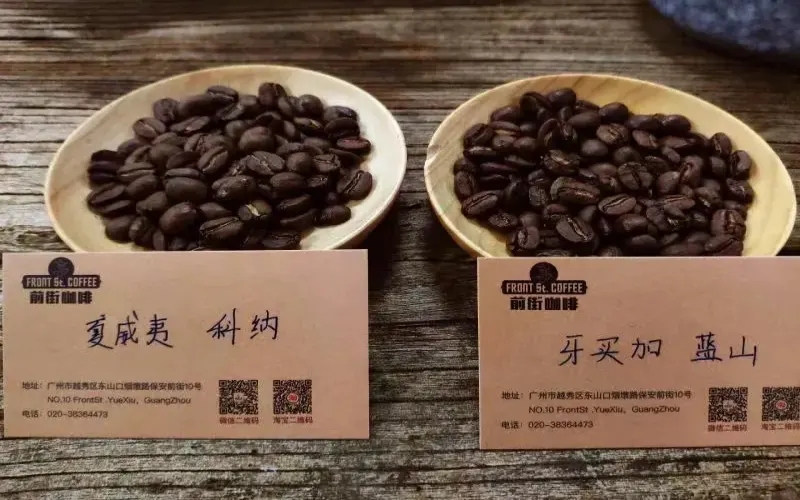
Among developed Western countries, Hawaii in the United States is an extremely rare coffee-producing region. Blessed by an island climate, it can still cultivate high-quality coffee despite limited elevation. Coffee was once grown on several Hawaiian islands, but after a pest infestation, the Kona region became almost the sole pillar. Kona mainly cultivates Typica, introduced from Guatemala by sugar farmers in 1874. Under the island climate, it exhibits soft acidity and moderate body, and was named "Kona Typica" by locals. After World War II, the Japanese market favored it greatly, and Kona Typica earned the name "Queen of Coffee" for its plump fruit and translucent color. Front Street Coffee recommends paying attention to this legendary region. [more…]
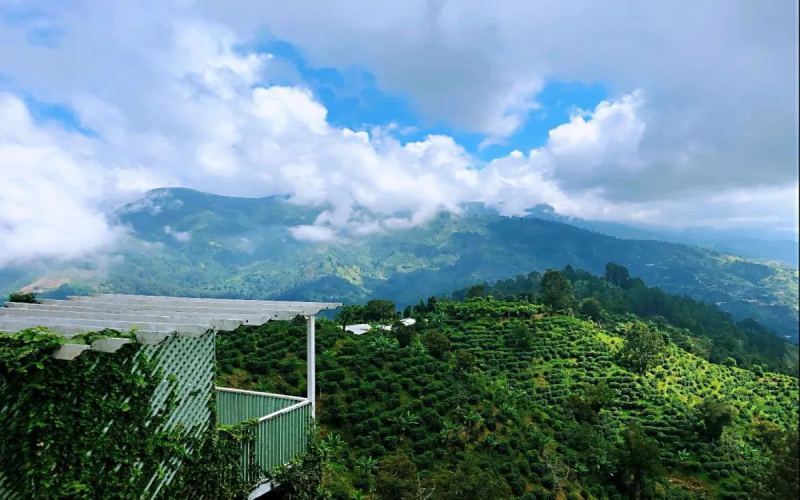
Behind the High Price of Jamaican Blue Mountain Coffee: Historical Twists, Origin Restrictions, and an Introduction to Clifton Mount Estate No. 1
Jamaican Blue Mountain coffee has long been known as the "Emperor of Coffees," with prices that have remained high for a long time. Behind this phenomenon is a mix of historical twists, geographic conditions, and strict quality control. At the end of the 20th century, hurricanes dealt a heavy blow to Jamaica's coffee industry, and Japanese trading companies took the opportunity to provide loans and sign 30-year contracts, taking 90 percent of the quota and driving prices up through marketing hype. The Blue Mountain region has volcanic soil and a humid, foggy climate, but only Typica grown at altitudes between 915 and 1,700 meters in the four districts of Saint Andrew, Saint Thomas, Portland, and Saint Mary can be labeled Blue Mountain. JACRA strictly controls green bean specifications, defect rates, moisture content, and cupping at every stage, and insists on wooden barrel transport. The Blue Mountain No. 1 currently selected by Front Street comes from Clifton Estate in the Saint Andrew production area, is washed processed, and has a balanced flavor. [more…]
An Analysis of Jamaican Blue Mountain Coffee Bean Origin Characteristics, Brewing Methods, and the New Direct-to-China Sales Landscape
Blue Mountain coffee comes from the Blue Mountains in western Jamaica, with an annual output of only about 700 tons. It is famous for its balanced and intense flavor profile—acidity, aroma, body, and sweetness—tempered by a slight bitterness, making it the finest among single-origin coffees. Due to its scarce production, "specialty Blue Mountain" blends based on Blue Mountain beans are commonly found on the market. To fully showcase the Blue Mountain flavor, the siphon is widely recognized as the most suitable brewing device, as it is easy to operate and extracts comprehensively. Meanwhile, the Jamaican authorities have signed an agreement with the Hangzhou Coffee and Western Food Industry Association, allowing Blue Mountain green beans to be sold directly to China, bypassing Japanese agents, which is expected to significantly reduce costs. Front Street Coffee recommends paying attention to this change, which will bring enthusiasts a purer Blue Mountain experience. [more…]
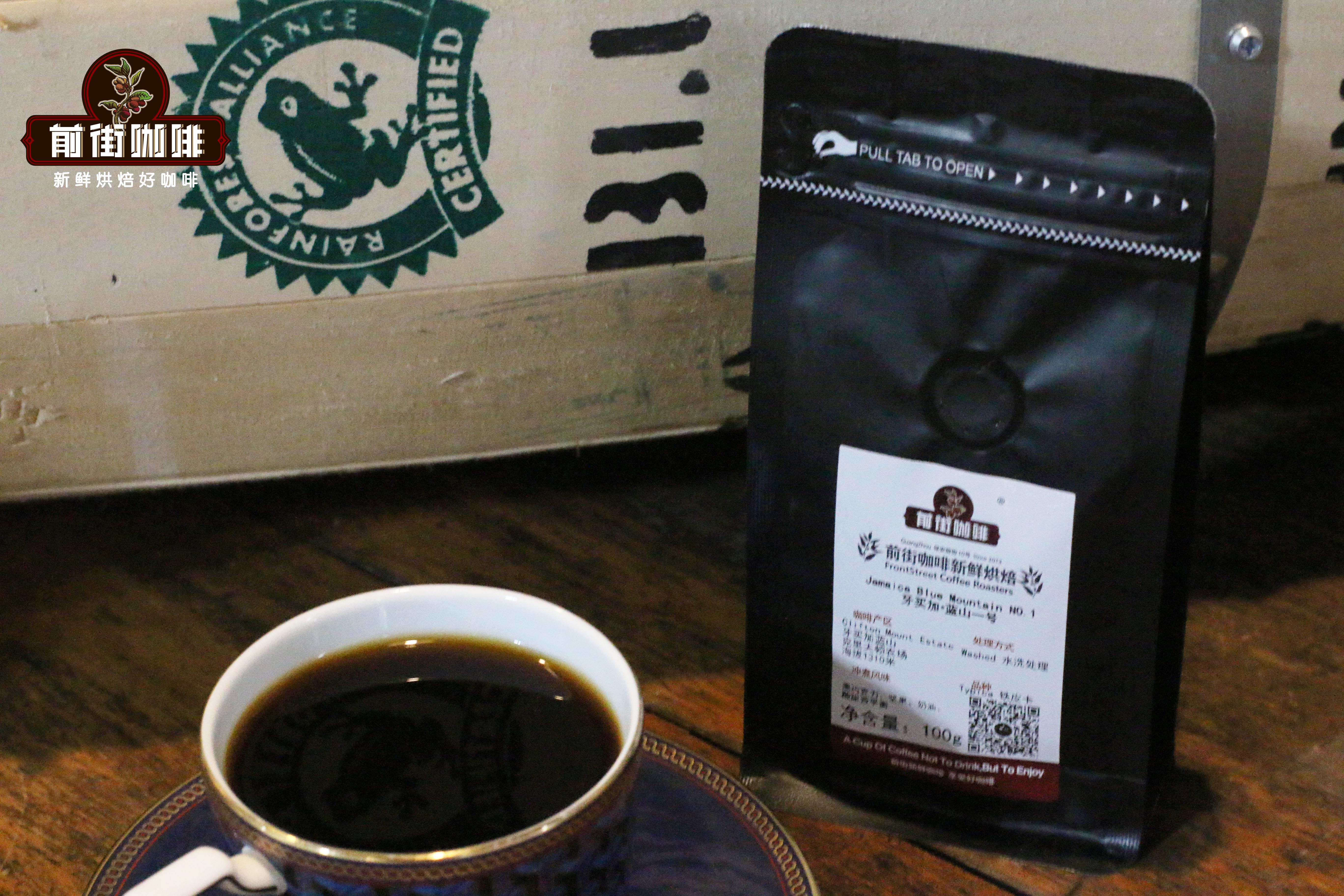
What exactly does Blue Mountain blend coffee refer to? A full analysis of the grading standards and brewing taste of authentic Jamaican Blue Mountain beans
Blue Mountain coffee is known as the "Hermès" of the coffee world, but products on the market bearing the labels "Blue Mountain flavor" or "Blue Mountain blend" are a mixed bag and have no connection to authentic Jamaican Blue Mountain coffee. This article begins with the concept of "Blue Mountain flavor" and sorts through the Jamaica Coffee Industry Board's (CIB) definition of the Blue Mountain growing region, the Typica variety's dependence on high-altitude environments, the history of Japan's early monopoly on export quotas, and the grading logic from Blue Mountain No. 1 down to peaberry. It also draws on Front Street's Jamaica Blue Mountain No. 1 to share KONO dripper brewing parameters and staged extraction techniques, helping readers understand the true source of this bean's mellow, rounded body and long-lasting sweet finish. [more…]